
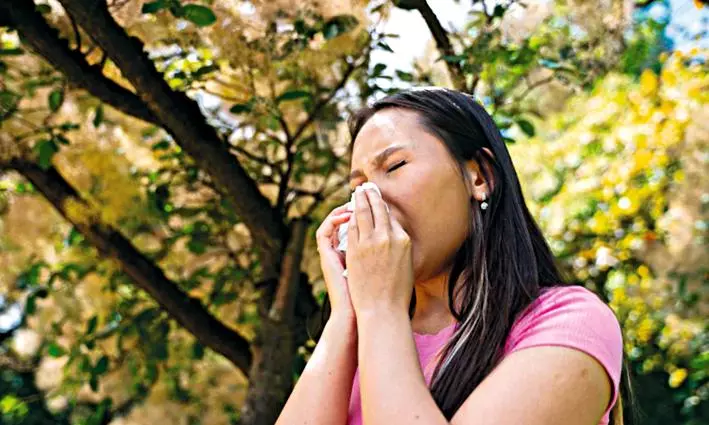
Seasonal allergies are no longer confined to just a few weeks of sniffles in the summer or winter months. Across the globe, allergy sufferers are experiencing longer, more intense bouts of symptoms, and climate change may be the culprit. Scientists have increasingly pointed to global warming as a major driver behind the worsening of seasonal allergies. Rising temperatures and elevated levels of carbon dioxide (CO2) in the atmosphere are affecting how and when plants produce pollen. The result? Allergy seasons that start earlier, end later, and pack a far more powerful punch.
Due to global warming, the warmer temperatures alter plant life cycles. In simple words, the change in temperatures forces many weeds, trees, and grasses to release pollen earlier and for longer periods. This ‘altered plant life cycle’ extends the allergy season.
Longer Seasons, More Pollen
“In recent years, we’ve noticed a dramatic increase in pollen counts and the duration of pollen seasons,” says Alka Srivastava, (39, Allergist). “This is largely due to higher temperatures and more CO2, which act like fertilizer for many allergenic plants.”
In India, the prevalence of allergic rhinitis ranges between 20% and 30% of the population, with urban areas experiencing higher rates due to factors like air pollution and climate change. In New Delhi, the combination of elevated pollen levels and severe air pollution, particularly during winter months, exacerbate allergy symptoms among residents.
Plants like ragweed, which already produce highly allergenic pollen, are thriving under these new conditions. More pollen in the air means more people experiencing symptoms like sneezing, itchy eyes, congestion, and asthma flare-ups.
Expanding Allergy Zones
It’s not just the length and intensity of allergy seasons that are changing. The geographic areas affected by certain allergens are also expanding. Warmer climates are allowing plants to grow in regions they previously could not, introducing new allergens to populations that haven’t been exposed before.
Ram Patil, a climate researcher (41), notes, “We’re seeing shifts in where allergens are prevalent. People who never had seasonal allergies are starting to develop symptoms as these plants move into their environment.”
This shift poses particular risks to vulnerable populations such as children, the elderly, and individuals with pre-existing respiratory conditions like asthma.
Long-Term Plan
While individual strategies are helpful, experts stress the importance of addressing the root cause: climate change.
Reducing greenhouse gas emissions is critical to slowing the progression of global warming and, in turn, mitigating the environmental factors that worsen allergies. Policy changes aimed at cleaner energy, improved air quality, and sustainable land use can all contribute.
On a community level, urban planning that incorporates low-pollen landscaping and green spaces can also make a difference. Schools, city governments, and developers are starting to take these concerns more seriously.
“There’s no silver bullet,” says Alka, “but raising awareness and taking both personal and systemic action is how we’ll stay ahead of this growing health issue.”
Action & Awareness
As climate patterns continue to shift, the intersection of environmental change and public health is becoming increasingly clear. Allergies are just one visible sign of a deeper transformation underway. While sufferers can adapt with informed choices and better medical care, the broader solution lies in tackling climate change at its source. Until then, staying informed and prepared is the best defence. For millions of allergy sufferers, relief may not come in the form of a shorter season, but with the right tools, it can still be a manageable one.
Harsh Reality Check
• In India, allergic rhinitis ranges between 20% and 30%
of the population in urban areas due to air pollution and climate change.
• In New Delhi, higher pollen levels and air pollution during winter months exacerbates allergy symptoms among residents.
• Bengaluru has seen a notable increase in pollen allergy cases with hospitals report encountering around 10 cases weekly.
• In Dharwad, Karnataka, studies from SDM Medical College have linked a rise in respiratory allergies directly to environmental changes.
• More pollen in the air means more people experiencing symptoms like sneezing, itchy eyes, congestion, and asthma flare-ups.
• Plants like ragweed, which already produce highly allergenic pollen, are thriving under these new conditions.
• From 1990 to 2018, North America saw a 21% increase in pollen concentrations and a 20-day lengthening of the pollen season on average. (Proceedings of the National Academy of Sciences Study).
Allergy Season Tips
With allergy seasons becoming more unpredictable and severe, individuals must be proactive in managing their symptoms. Here are some expert-recommended strategies:
• Monitor pollen forecasts: Local weather stations and apps like Pollen.com or the National Allergy Bureau provide daily updates on pollen levels. Planning outdoor activities when pollen counts are low can significantly reduce exposure.
• Keep windows closed: During peak pollen season, it’s best to keep windows and doors shut, especially in the early morning when pollen counts are highest.
• Use air purifiers: High-efficiency particulate air (HEPA) filters can help remove pollen and other allergens from indoor air.
• Shower after being outside: Pollen can cling to skin, hair, and clothes. Showering and changing clothing after time outdoors helps prevent bringing allergens inside.
• Medication & Consultation: Over-the-counter antihistamines, nasal sprays, and decongestants can be effective. For severe cases, allergists can recommend immunotherapy or prescription medications tailored to specific allergens.
About the Author