A day after Pakistan’s Prime Minister Shehbaz Sharif offered his country’s readiness to cooperate in a neutral, transparent, and credible investigation into the Pahalgam terror attack, China expressed support for an impartial probe.
The remarks came after a phone conversation on Sunday between Chinese Foreign Minister Wang Yi and Pakistan’s Deputy Prime Minister Ishaq Dar.
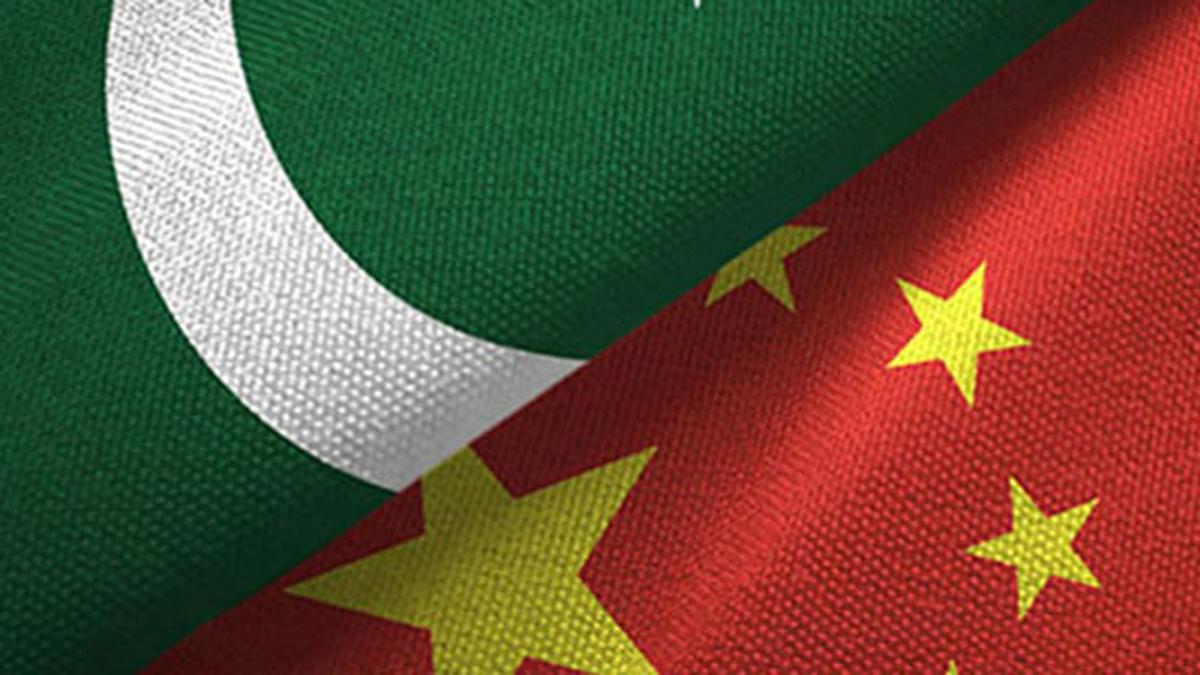
Speaking on behalf of Beijing, Wang reaffirmed China’s strong alliance with Pakistan, describing the two countries as “ironclad friends” and emphasizing China’s full understanding of Pakistan’s legitimate security concerns.
Wang stressed that China supports Pakistan’s efforts to safeguard its sovereignty and security. Furthermore, he advocated for an impartial investigation into the Pahalgam attack, underlining that conflict does not serve the fundamental interests of either India or Pakistan, nor does it promote regional peace and stability.
He urged both countries to exercise restraint and work toward de-escalation.
During the call, Deputy Prime Minister Ishaq Dar briefed Wang on the rising tensions between Pakistan and India following the deadly terror attack in Kashmir.
Dar reiterated that Pakistan remains committed to combating terrorism and is resolute in preventing actions that could further escalate the situation. He stressed that Pakistan would continue to manage the situation maturely, keeping communication lines open with both China and the international community.
Wang noted that combating terrorism is a shared global responsibility, reaffirming China’s consistent support for Pakistan’s counterterrorism actions.
Prime Minister Shehbaz Sharif’s offer for an international investigation comes amid mounting evidence from India suggesting cross-border links to the Pahalgam attack, which killed 26 civilians.
According to the Indian Express, India has shared intelligence reports with foreign governments confirming Pakistan’s involvement in the attack.
In a recent interview with Russia’s government-run RIA Novosti news agency, Pakistan’s Defense Minister Khawaja Asif suggested that countries like Russia, China, or Western nations could play a positive role by establishing an international investigation team to determine the veracity of India’s claims.
This offer from Sharif is not without precedent. After the 2008 Mumbai attacks, the 2016 Pathankot attack, and the 2016 Uri attack, Pakistan similarly proposed joint investigations. Even after the 2019 Pulwama attack, then-Prime Minister Imran Khan expressed Pakistan’s willingness to cooperate with India, contingent upon the provision of actionable intelligence.
This diplomatic engagement comes amid intensified tensions between India and Pakistan, as the recent terror attack in Pahalgam has further strained relations between the two nuclear-armed neighbors.
About the Author